Do VPNs Still Work in 2025? A Deep Dive into the Best U.S.-Compatible Services for True Anonymity
In 2025, as digital surveillance tightens its grip and AI-enhanced monitoring tools become more sophisticated, many are asking the critical question: Do VPNs still hold their ground? The answer is a strong yes—but only if you know what to look for. VPNs remain one of the most reliable tools for online privacy in the U.S., but not all are up to the task.
The Evolving Landscape of VPNs in 2025
The internet in 2025 is a battleground of privacy vs. surveillance. Internet service providers, tech giants, and even governments are using advanced algorithms and network-level filtering to monitor and restrict access. Traditional VPNs with weak encryption or shady logging practices can no longer be trusted.
- More aggressive VPN blocking by websites and governments
- Enhanced surveillance through AI and behavioral tracking
- Greater demand for transparency and independent audits
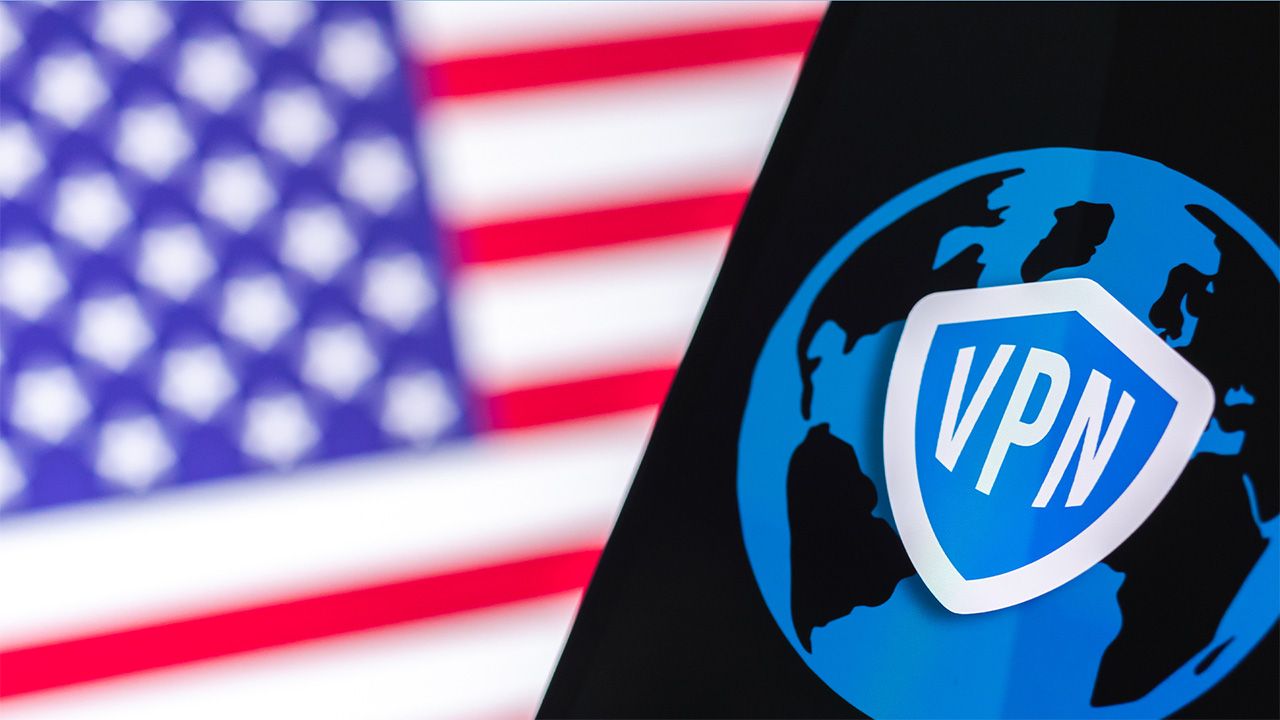
What Makes a VPN Truly Anonymous in 2025?
True anonymity is no longer about simply masking your IP. A reliable VPN must now go further, integrating layers of privacy-enhancing features that keep you invisible in a digitally watched world.
- Obfuscated servers to bypass VPN detection and DPI (Deep Packet Inspection)
- Independently audited no-logs policies with published results
- RAM-only servers that erase all data upon reboot
- Multi-hop configurations (routing your traffic through multiple countries)
- Support for WireGuard or advanced proprietary encryption protocols
- Anonymous payment options like cryptocurrency or gift cards
Top U.S.-Compatible VPNs for Maximum Privacy
Not all VPNs can withstand the privacy challenges of 2025. Here are three providers that rise to the occasion:
- ProtonVPN — Based in Switzerland, it offers open-source apps, secure core architecture, and powerful obfuscation for streaming and browsing in the U.S.
- Mullvad — Renowned for its anonymity-first approach, Mullvad doesn't collect any user data, supports cash payments, and delivers reliable speeds.
- IVPN — Ideal for privacy purists, IVPN features multi-hop routing, advanced DNS protection, and zero tracking by design.
How to Choose the Right VPN for U.S. Use in 2025
If you’re serious about staying anonymous in the U.S., here’s what to prioritize when selecting a VPN:
- Transparent ownership and jurisdiction outside the Five Eyes alliance
- Verified track record of legal resistance and user-first policies
- Fast and reliable servers with minimal connection drops
- Clear documentation and trustworthy support
Final Verdict: Are VPNs Still Worth It?
Absolutely—if you choose wisely. VPNs are evolving in response to threats, and the best ones are becoming smarter, leaner, and more secure. They’re still the strongest personal tool to fight against intrusive surveillance, data harvesting, and online censorship in 2025.
However, VPNs are not a one-size-fits-all solution. Combine them with good digital hygiene, secure browsers, and privacy-respecting services to get the most out of your online experience.